
Embarking on the journey of selecting the perfect critical illness cover for 2025, this introduction aims to capture your attention and provide a glimpse into the intricate world of insurance decisions.
Delving into the complexities of choosing the right critical illness cover can be a daunting task, but fret not, as we break down the essential factors and emerging trends to simplify your decision-making process.
Factors to Consider When Choosing Critical Illness Cover
When selecting a critical illness cover in 2025, there are several crucial factors to take into account to ensure you have the right protection for your needs.
Assessing Coverage Needs Based on Personal Health History
- It is essential to evaluate your personal health history to determine the level of coverage you may require.
- Consider any pre-existing conditions or family medical history that could impact your likelihood of developing a critical illness.
- Having a clear understanding of your health status will help you choose a policy that provides adequate coverage.
Evaluating the Scope of Coverage Offered by Different Policies
- Compare the coverage offered by different policies to ensure they align with your specific needs.
- Look for policies that cover a wide range of critical illnesses to protect you comprehensively.
- Consider additional benefits such as rehabilitation support or second medical opinion services.
Understanding the Role of Premiums in Overall Value
- Take into consideration the premiums associated with the critical illness cover.
- Compare the cost of premiums with the coverage provided to determine the overall value of the policy.
- Remember that cheaper premiums may not always offer sufficient coverage, so balance cost with benefits.
Key Features to Look for in a Critical Illness Policy
- Check for a comprehensive list of covered critical illnesses to ensure you are adequately protected.
- Look for features like a lump-sum payout upon diagnosis and coverage for advanced-stage illnesses.
- Consider policies that offer coverage for additional expenses such as transportation and accommodation during treatment.
Emerging Trends in Critical Illness Cover for 2025
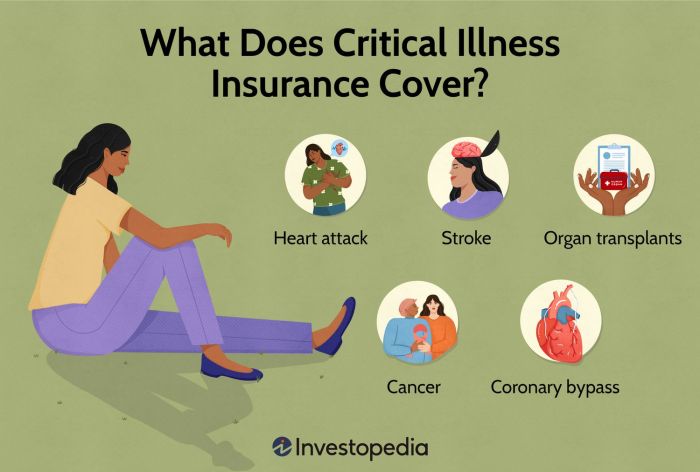
In 2025, the landscape of critical illness cover is evolving rapidly to keep up with advancements in medical technology and changing healthcare needs. Global health crises have also highlighted the importance of comprehensive coverage to mitigate risks effectively.
Advancements in Medical Technology
Medical technology is constantly advancing, leading to more accurate diagnoses and innovative treatments for critical illnesses. Insurers are incorporating these advancements into critical illness policies to provide better coverage for policyholders. For example, genetic testing and personalized medicine are becoming more prevalent, allowing for tailored treatments and early detection of potential health risks.
Impact of Global Health Crises
Global health crises like the COVID-19 pandemic have emphasized the need for robust critical illness cover. Insurers are revisiting their policies to include coverage for infectious diseases and pandemics, ensuring that policyholders are protected in unforeseen circumstances. The demand for comprehensive coverage that includes protection against such health crises is on the rise.
New Inclusions in Critical Illness Policies
To align with evolving health risks, insurers are considering new inclusions in critical illness policies. This may include coverage for mental health conditions, long-term care, or emerging diseases. As the healthcare landscape continues to change, insurers are adapting their policies to meet the diverse needs of policyholders and provide holistic coverage.
Understanding Policy Exclusions and Limitations
When choosing a critical illness cover, it is crucial to understand the policy exclusions and limitations to ensure you have comprehensive coverage when you need it the most.
Common Exclusions in Critical Illness Policies and Their Implications
- Pre-existing conditions: Most critical illness policies do not cover pre-existing conditions, which are illnesses or medical conditions that you had before purchasing the policy. This means that if you are diagnosed with a critical illness related to a pre-existing condition, you may not be eligible for a payout.
- Non-disclosure of medical history: Failure to disclose your complete medical history at the time of purchasing the policy can lead to claim denials. It is essential to provide accurate information to avoid any complications during the claims process.
- Specific illnesses not covered: Some critical illness policies may have a list of specific illnesses that are not covered. It is important to review this list carefully to understand what conditions are excluded from the policy.
How Policy Limitations Can Affect Coverage During Critical Illnesses
- Coverage limits: Critical illness policies often come with coverage limits, which determine the maximum amount you can claim in case of a critical illness. Exceeding these limits can result in out-of-pocket expenses.
- Waiting periods: Some policies have waiting periods before you can make a claim for certain critical illnesses. It is essential to be aware of these waiting periods to avoid any financial strain during the initial phase of diagnosis.
Strategies for Mitigating Risks Associated with Policy Exclusions and Limitations
- Review policy documents thoroughly: Before purchasing a critical illness cover, carefully review the policy documents to understand the exclusions and limitations. Ask questions to your insurance provider if you need clarification on any terms or conditions.
- Consider add-on covers: Some insurance providers offer add-on covers that can help enhance your coverage by including additional illnesses or benefits. Evaluate the add-on options to address any exclusions in the base policy.
Comparing Different Policies for Variations in Exclusions and Limitations
- Comparative analysis: When exploring different critical illness policies, compare the exclusions and limitations of each policy to identify the one that best aligns with your healthcare needs. Look for policies that offer comprehensive coverage with minimal exclusions.
- Consult with an insurance advisor: If you are unsure about the exclusions and limitations in a policy, seek guidance from an insurance advisor who can help you navigate through the details and choose a policy that provides adequate coverage.
Customizing Critical Illness Cover to Suit Individual Needs
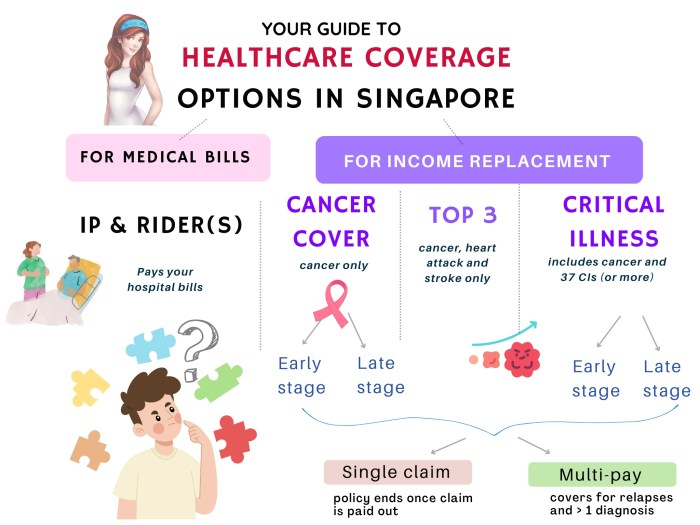
When it comes to critical illness cover, one size does not fit all. Tailoring a policy to match specific health requirements is crucial in ensuring adequate protection for you and your loved ones. By customizing your critical illness cover, you can enhance the basic policy to better suit your individual needs and provide comprehensive coverage.
Benefits of Adding Riders or Supplementary Coverage
Adding riders or supplementary coverage to your basic critical illness policy can offer additional benefits and protection. Some of the benefits include:
- Enhanced coverage for specific critical illnesses not covered in the basic policy.
- Additional financial support for medical expenses, rehabilitation, or alternative treatments.
- Income protection in case of disability resulting from a critical illness.
- Coverage for specific medical conditions or lifestyle factors that may be relevant to you.
Tips on Balancing Coverage Options with Budget Constraints
When customizing your critical illness cover, it's essential to balance coverage options with budget constraints. Consider the following tips to make informed decisions:
- Evaluate your current financial situation and determine a budget for premiums.
- Prioritize critical illnesses or health conditions that are more prevalent or concerning to you.
- Compare different coverage options and riders to choose the most cost-effective yet comprehensive policy.
- Consult with a financial advisor or insurance agent to understand the implications of each customization option.
Importance of Reviewing and Updating Your Policy Regularly
Regularly reviewing and updating your critical illness policy is crucial to ensure its relevance and adequacy. Factors to consider include:
- Changes in your health status, lifestyle, or family medical history that may impact your coverage needs.
- New advancements in medical treatments or technologies that may affect your policy coverage.
- Updates in insurance regulations or policies that could influence the terms and conditions of your critical illness cover.
- Life events such as marriage, childbirth, or career changes that may necessitate adjustments to your policy.
Final Wrap-Up
As we reach the conclusion of our discussion on choosing the right critical illness cover in 2025, remember that knowledge is key when navigating the realm of insurance policies. With a solid understanding of the factors at play, you can confidently make an informed choice that safeguards your health and financial well-being.
Key Questions Answered
What role do premiums play in choosing the right critical illness cover?
Premiums impact the overall value of the cover and should be considered in relation to coverage benefits and affordability.
How often should a critical illness policy be reviewed and updated?
It is recommended to review and update the policy regularly to ensure it aligns with current health needs and risks.
Can policy limitations be mitigated for better coverage?
Strategies such as adding riders or supplementary coverage can help mitigate risks associated with policy limitations.