
Exploring the realm of health insurances near you opens up a world of possibilities. From comparing coverage options to evaluating customer satisfaction, this guide dives deep into finding the best health insurance for your needs.
Researching Local Health Insurances
When searching for the best health insurance near you, it's essential to do thorough research to ensure you find reliable coverage that meets your needs. Here are some key factors to consider:
Identify the Top Health Insurance Providers in Your Area
- Start by looking at the most reputable health insurance companies in your locality.
- Consider factors such as customer reviews, ratings, and the company's reputation in the industry.
- Check if the insurance providers have a strong presence and a good track record in your area.
Compare the Coverage, Benefits, and Reputation of Each Insurance Company
- Compare the coverage options offered by each insurance provider.
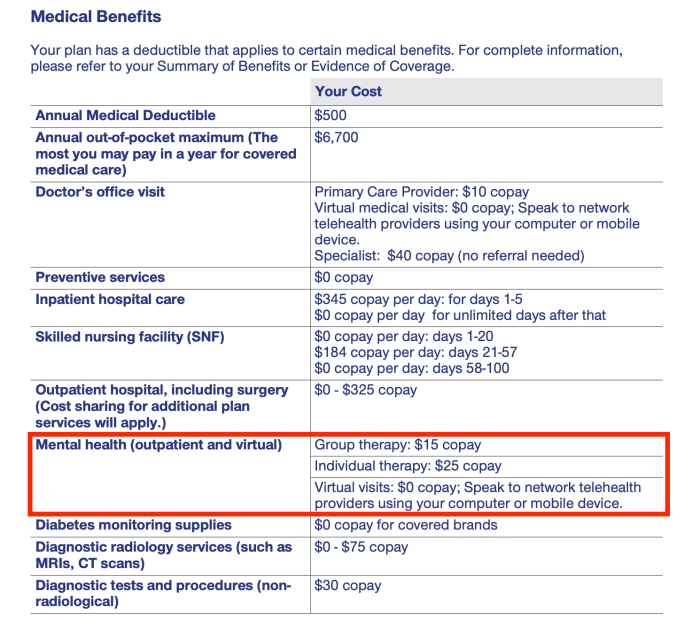
- Look into the benefits included in their plans, such as preventive care, prescription drug coverage, and mental health services.
- Consider the reputation of each company in terms of customer service, claims processing, and overall satisfaction.
Discuss the Network of Healthcare Providers Associated with Each Insurance Plan
- Examine the network of doctors, hospitals, and specialists that are included in each insurance plan.
- Ensure that your preferred healthcare providers are part of the network to avoid out-of-network costs.
- Consider the quality of care provided by the network of healthcare providers associated with each insurance plan.
Analyze the Cost and Affordability of Different Health Insurance Options Near You
- Compare the monthly premiums, deductibles, and out-of-pocket costs of each health insurance plan.
- Look into any additional fees or expenses that may apply, such as co-payments or coinsurance.
- Consider your budget and financial situation when evaluating the cost and affordability of different health insurance options.
Understanding Coverage Options
When choosing a health insurance plan, it's essential to understand the different coverage options available to you. This includes knowing the differences between HMO, PPO, and EPO plans, the essential health benefits covered, how to verify if your preferred doctors are in-network, and how to determine the level of coverage you need based on your health needs.
Types of Health Insurance Plans
- HMO (Health Maintenance Organization):HMO plans typically require you to choose a primary care physician (PCP) and get referrals to see specialists. You must receive care from providers within the HMO network to be covered, except for emergency services.
- PPO (Preferred Provider Organization):PPO plans offer more flexibility in choosing healthcare providers. You can see any doctor or specialist without a referral, but you'll pay less if you use providers within the PPO network.
- EPO (Exclusive Provider Organization):EPO plans combine elements of HMO and PPO plans. Like an HMO, you must use in-network providers, but you don't need a referral to see a specialist.
Essential Health Benefits
- Most health insurance policies cover essential health benefits, including:
- Preventive care (e.g., vaccinations, screenings)
- Emergency services
- Hospitalization
- Prescription drugs
- Mental health services
- Maternity and newborn care
- Rehabilitative services
Verifying In-Network Providers
- Before choosing a health insurance plan, verify if your preferred doctors or hospitals are in-network by checking the insurance company's provider directory. You can also contact the providers directly to confirm their network status.
- Using out-of-network providers may result in higher out-of-pocket costs or no coverage, depending on your plan.
Determining Coverage Needs
- To determine the level of coverage you need, consider your current health status, any ongoing medical conditions, prescription medication needs, and anticipated healthcare services in the coming year. Choose a plan that meets your healthcare needs and budget.
- Factors like deductibles, copayments, coinsurance, and out-of-pocket maximums should also be considered when evaluating coverage options.
Evaluating Customer Satisfaction and Reviews
When selecting a health insurance provider, it is crucial to consider customer satisfaction ratings and reviews to ensure you are choosing a reliable company that prioritizes its policyholders.
Checking Customer Satisfaction Ratings
- Look for independent rating agencies such as J.D. Power or Consumer Reports that provide rankings based on customer feedback and experiences.
- Visit the insurance company's website or third-party review platforms like Yelp or Trustpilot to read reviews from current and former customers.
Importance of Customer Service
- Customer service plays a vital role in the overall experience of having health insurance, as it determines how efficiently and effectively your concerns and inquiries are addressed.
- Choose a health insurance provider known for their prompt and helpful customer service to ensure a smooth and hassle-free experience.
Interpreting Feedback from Policyholders
- Pay attention to recurring themes in customer reviews, such as praise for easy claim processes or complaints about long wait times for assistance.
- Consider both positive and negative feedback to get a well-rounded view of the insurance provider's performance and customer satisfaction levels.
Comparing Claims Process and Communication
- Research how different insurance companies handle claims and communication with policyholders, including the availability of online portals or mobile apps for easy access to information.
- Choose a provider that offers a streamlined claims process and clear communication channels to keep you informed about your coverage and benefits.
Utilizing Online Tools and Resources
When it comes to finding the best health insurance near you, utilizing online tools and resources can make the process much easier and more efficient. These tools can help you compare different health insurance plans, estimate costs, and even enroll in a plan seamlessly.
Websites for Comparing Health Insurance Plans
- HealthCare.gov: The official health insurance marketplace where you can compare plans, check eligibility, and enroll in coverage.
- eHealthInsurance: A platform that allows you to compare plans from different insurance companies and find the best fit for your needs.
- Policygenius: An online tool that lets you compare health insurance plans and get personalized recommendations based on your preferences.
Using Online Calculators for Cost Estimation
- Online calculators provided by insurance companies or comparison websites can help you estimate costs and premiums for different health insurance plans.
- Input your basic information such as age, location, and coverage needs to get an idea of how much you might pay for each plan.
- Consider factors like deductibles, copayments, and out-of-pocket maximums when using online calculators to get a comprehensive cost estimate.
State Health Insurance Marketplaces
- Official state health insurance marketplaces play a crucial role in helping individuals and families find coverage that meets their needs.
- These marketplaces provide a range of options from different insurance companies, making it easier to compare plans and choose the best one for you.
- You can also find out if you qualify for financial assistance or subsidies through the state marketplace to make health insurance more affordable.
Enrolling Through Online Platforms
- Many health insurance companies offer online enrollment platforms that allow you to sign up for coverage from the comfort of your home.
- Follow the step-by-step instructions provided on the website to select a plan, fill out necessary information, and complete the enrollment process.
- Make sure to review all the details of the plan before enrolling, including coverage, costs, and network providers, to ensure it meets your needs.
Last Point
In conclusion, navigating the world of health insurance can be daunting, but armed with the right information, you can secure reliable coverage that suits your needs. Take charge of your health and financial well-being with the best health insurance near you.
FAQ Explained
What factors should I consider when researching local health insurances?
When researching local health insurances, consider factors like coverage, benefits, reputation, and cost to make an informed decision.
What are the key differences between HMO, PPO, and EPO health insurance plans?
HMO plans require referrals, PPO plans offer more flexibility, and EPO plans have a strict network of providers.
How can I check if my preferred doctors are covered by a health insurance plan?
You can verify if your preferred doctors are in-network by contacting the insurance company directly or checking their online provider directory.
Where can I find online tools to compare health insurance plans?
You can use websites like HealthCare.gov or private insurance company websites to compare health insurance plans.